

You're Honeycomb is here!
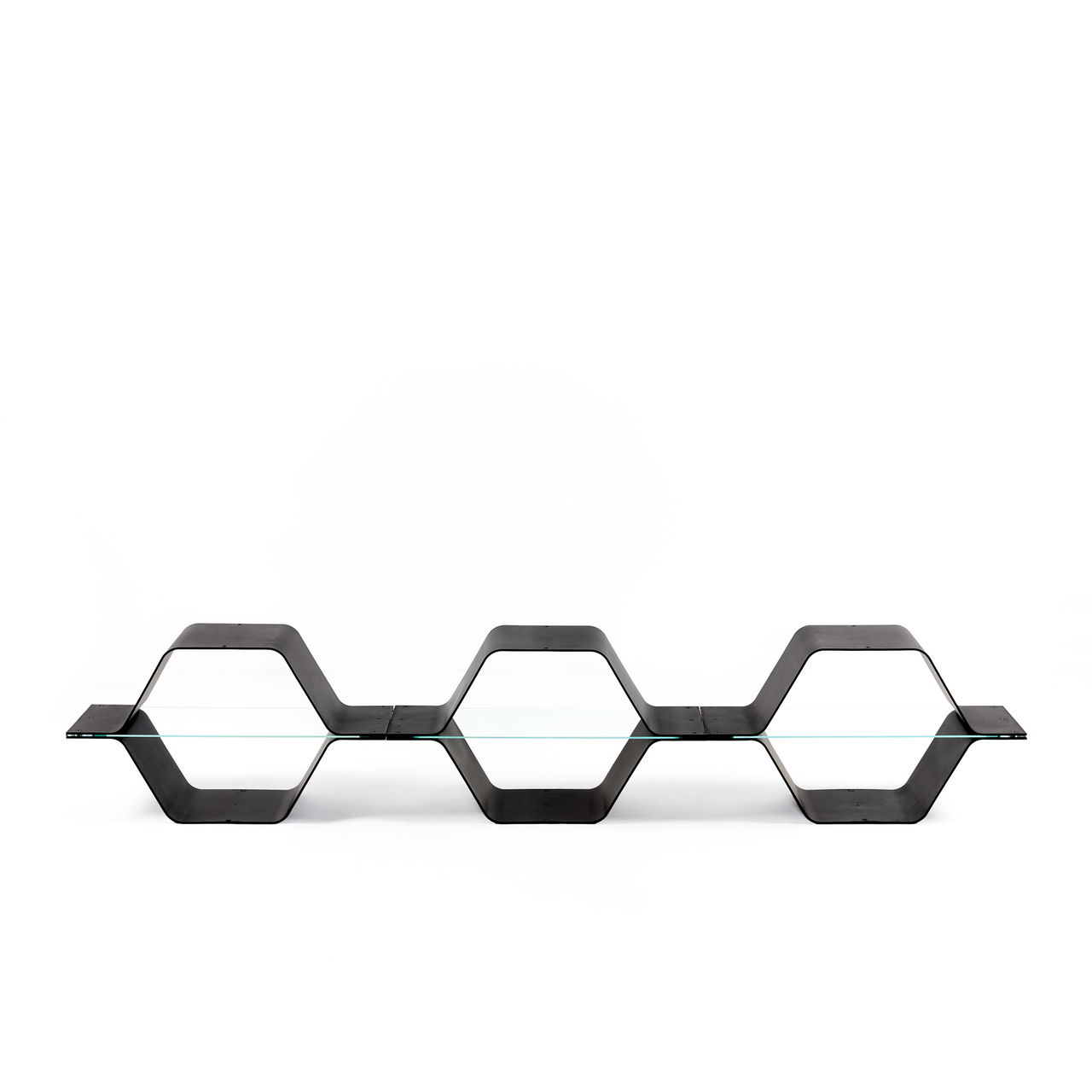
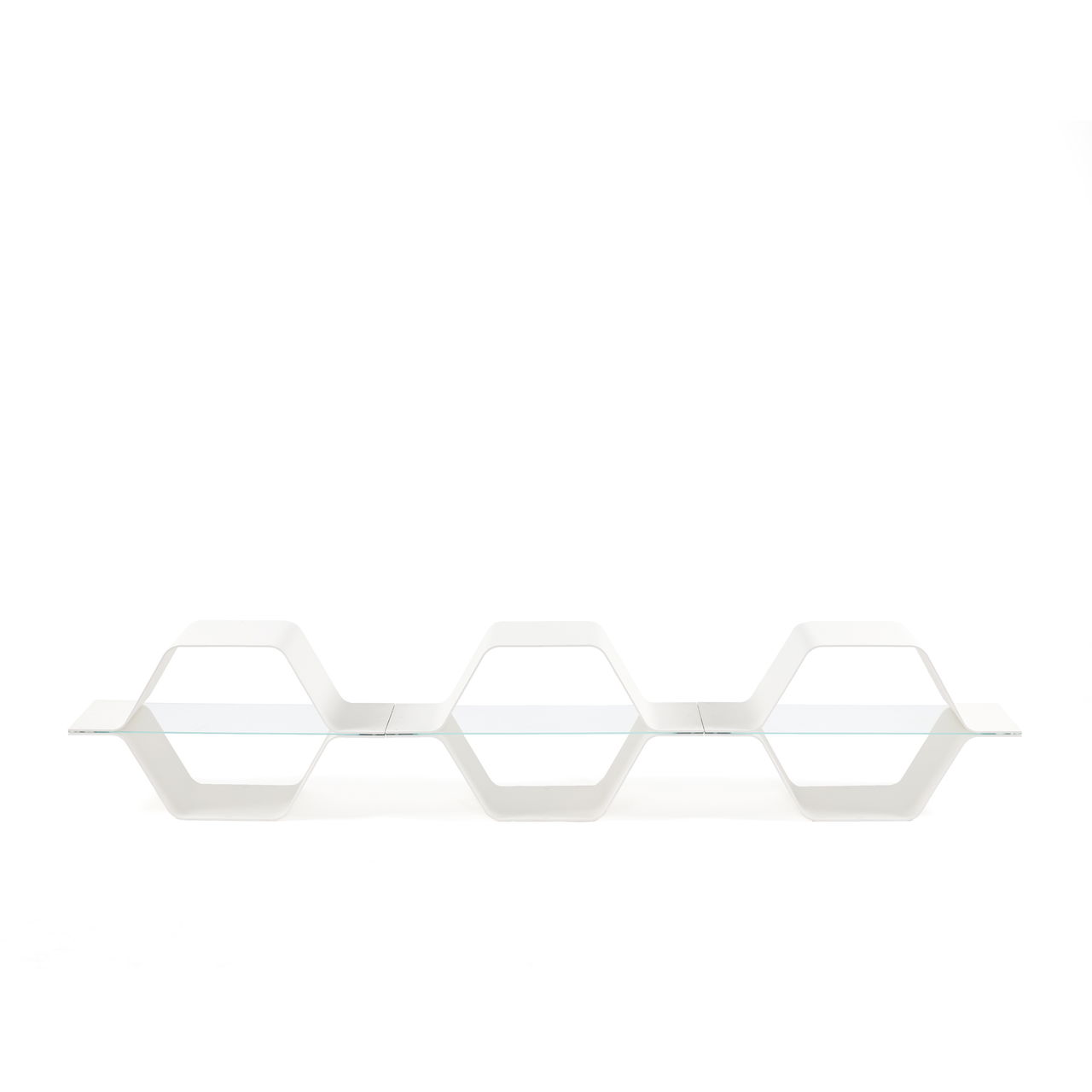
Congratulations on your Honeycomb Modular Shelving, a reimagined icon of California Space Age design. Originally created by Bill Curry in 1970 and thoughtfully revived by Heller with sustainable materials, your Honeycomb is more than furniture—it's functional art that will transform your space for generations to come.
Product Features
Your Vision, Your Display.

Sustainable
Crafted from 100% recycled polypropylene with Worry Free Plastics technology. Fully recyclable and engineered to leave no microplastics behind at end-of-life.
Modular
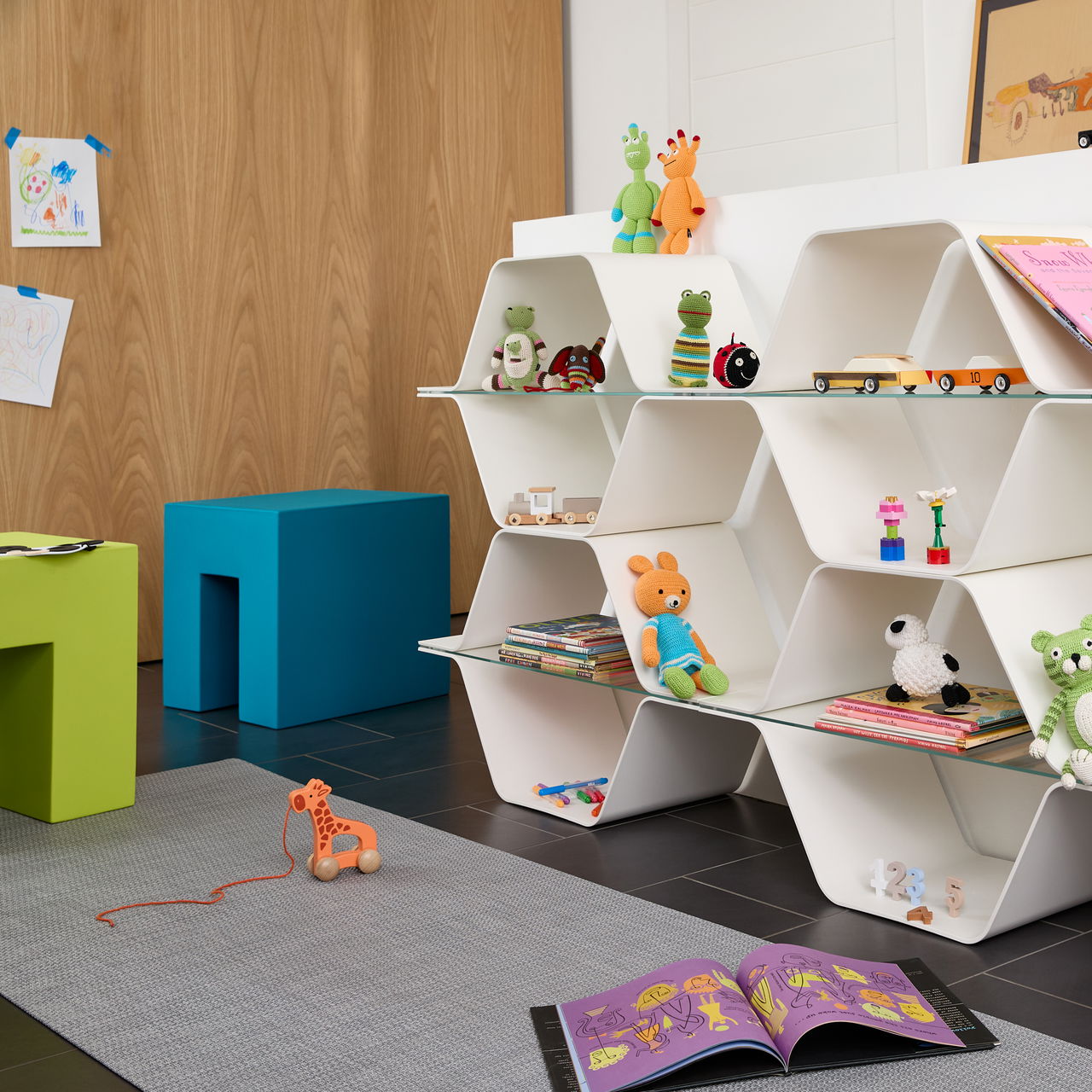
Expandable system designed for your adaptation. Each cell connects seamlessly to others, allowing you to build horizontally, vertically (up to 3 cells high), or both.
Indoor/Outdoor
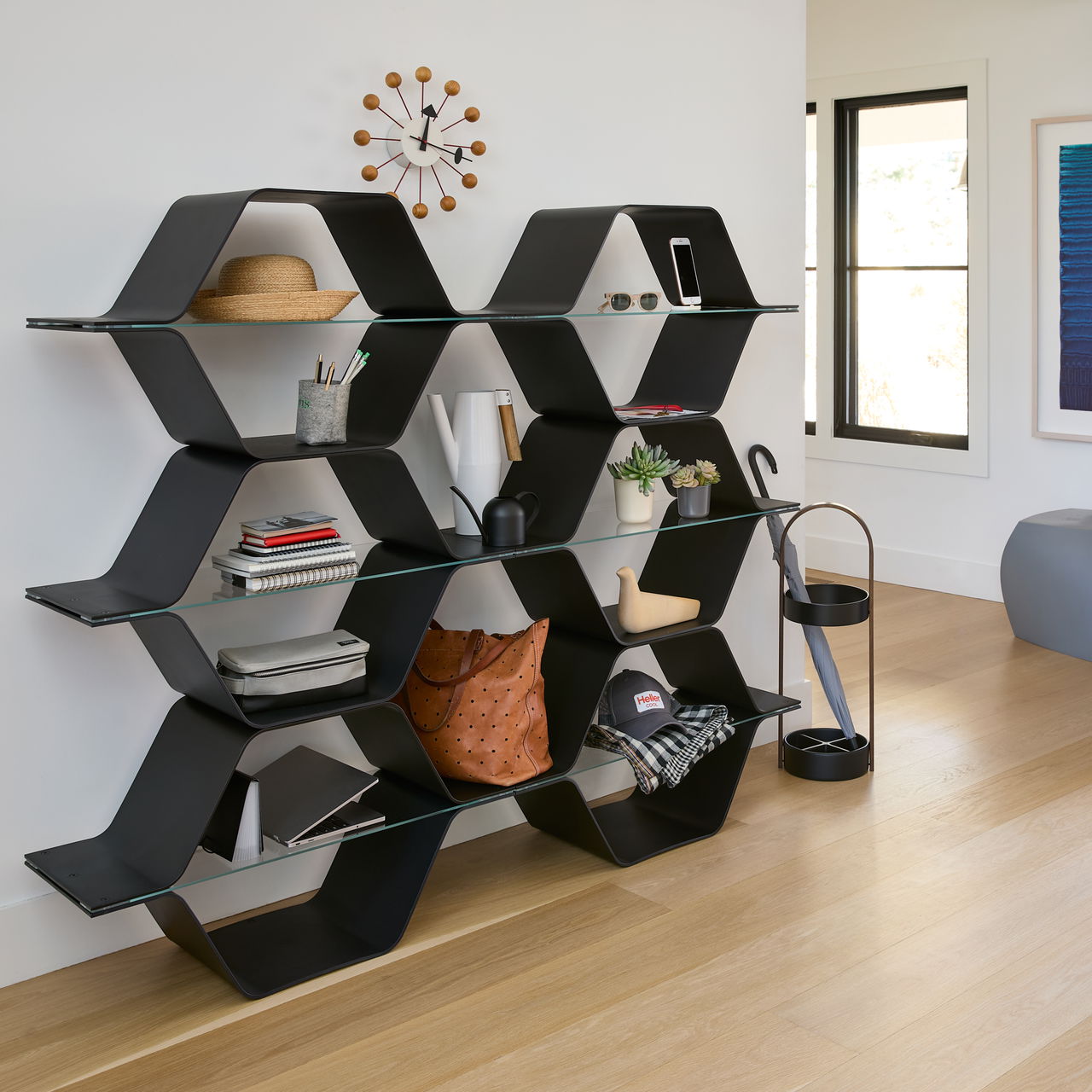
Designed to perform beautifully in any environment. The durable, weather-resistant materials maintain their integrity and appearance in various settings.
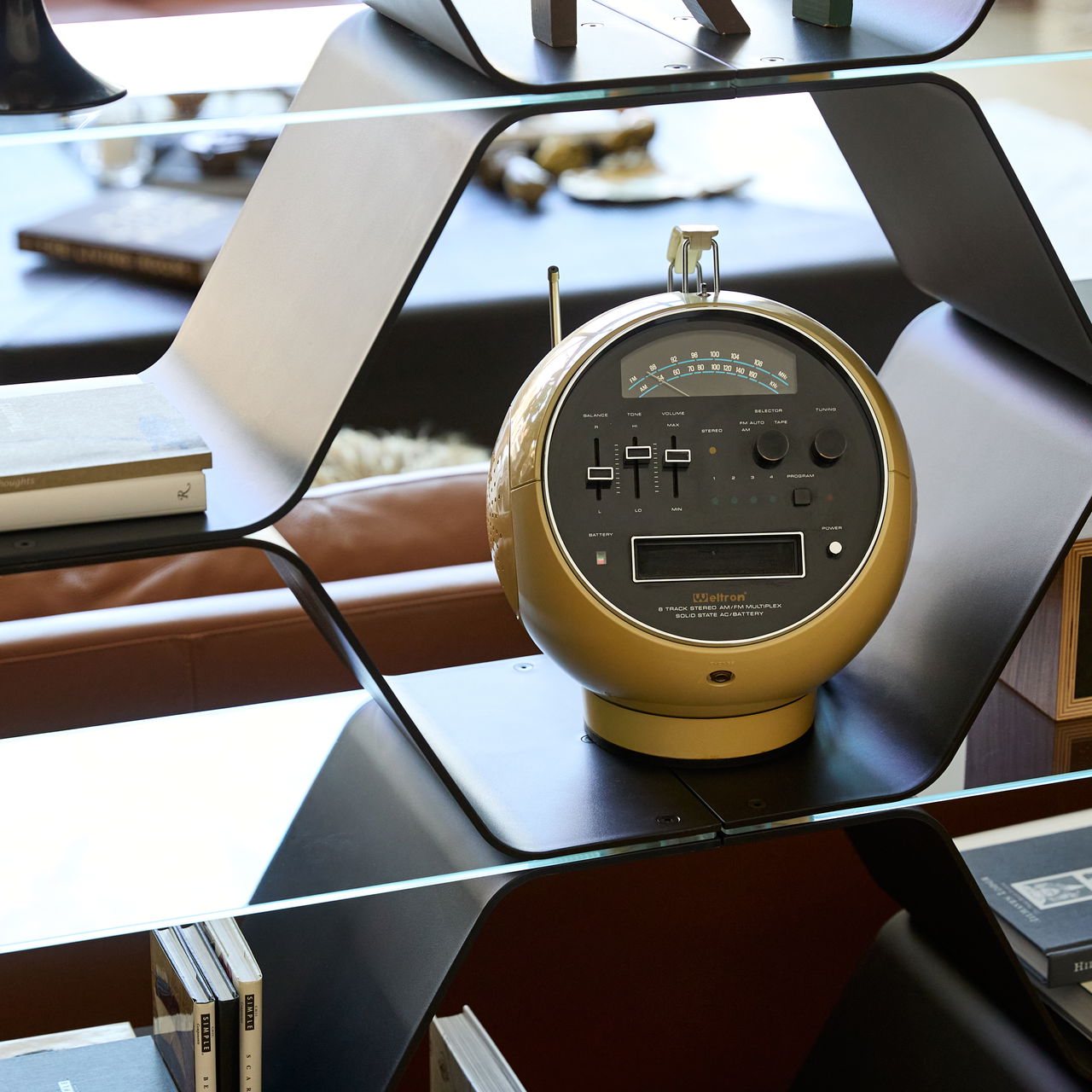
Uniquely Yours
The Honeycomb's distinctive cells become stages for your most treasured possessions—from art objects and books to family photos and everyday essentials.
Assembly Made Simple
Everything you need to build your Honeycomb with ease.
Follow these rules,
You'll be done before you know it.
Assemble your Honeycomb in close proximity to where it’s being placed; building it on top of a moving blanket or using felt pads (provided) allows it to easily slide it into position.
Handle glass shelves with caution.
Tools needed to install anti-tip bracket:
Phillips head screwdriver
Electric hand drill
Drywall anchors
DO NOT LIFT AND MOVE AN ASSEMBLED SHELF.
DO NOT OVER TIGHTEN HARDWARE. THIS MAY RESULT IN STRIPPING.
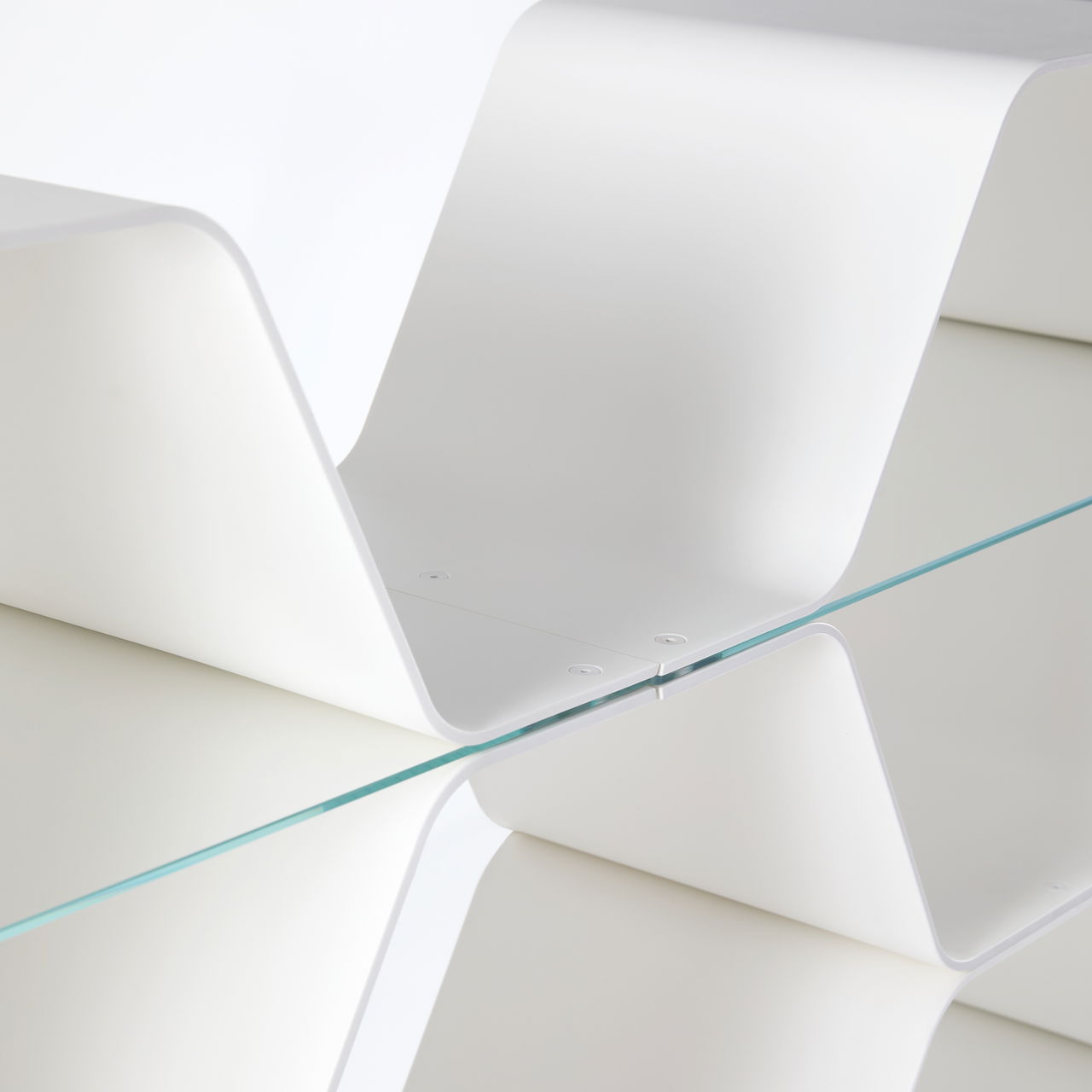
Before you begin, layout your parts.
Your Honeycomb arrives ready to assemble with all necessary components included.
Extra hardware may be included.
Felt pad
15/box
Cell frame
6/box
Glass shelf
3/box
Connection bracket
3/box
Nut A
24/box
Nut B
9/box
Bolt AB
28/box
Hole cap
14/box
Allen wrench
2/box
Wood screw
2/box
Anti-tip bracket
2/box

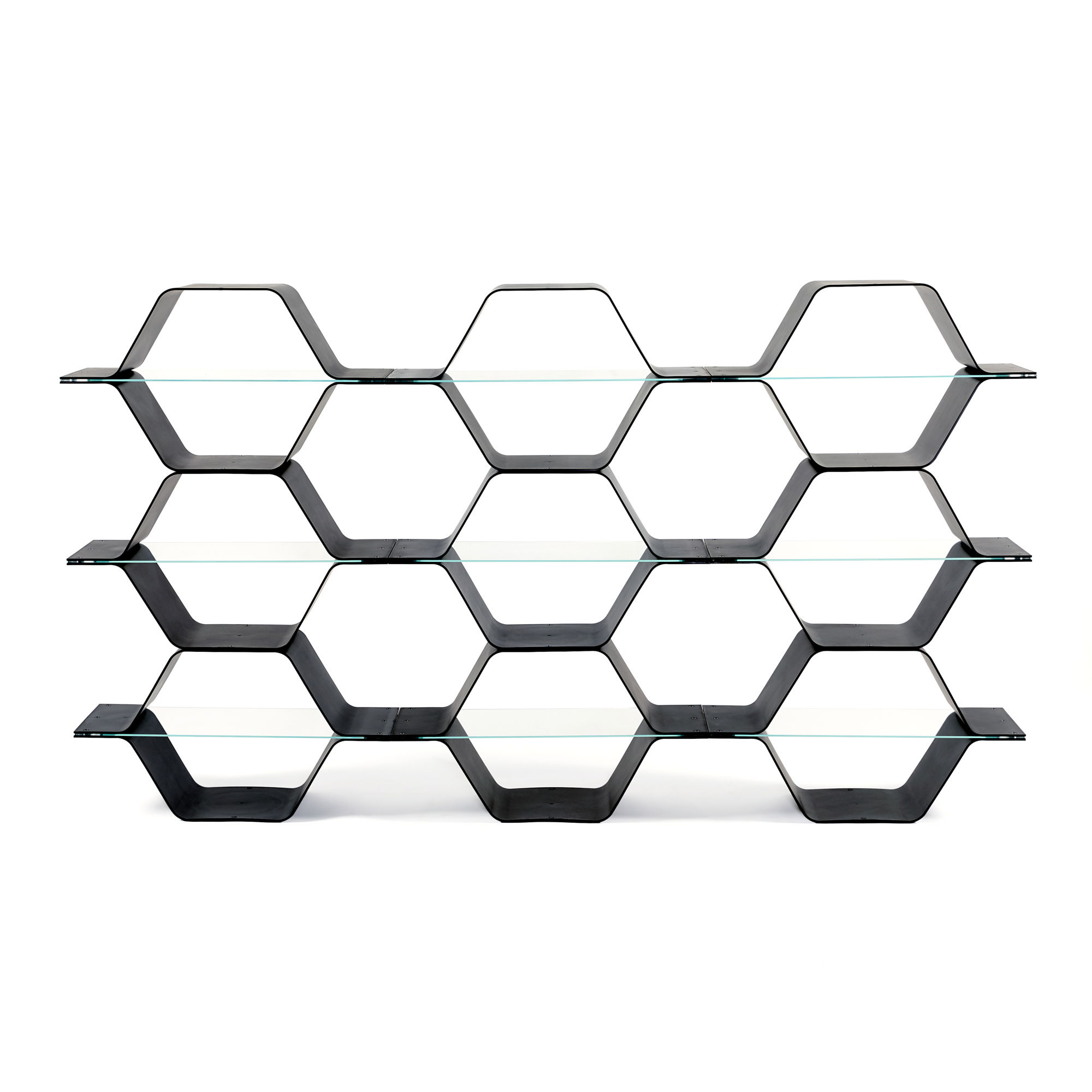
Hexagons: The Magic of Cells
Nature's Perfect Shape
Space Optimization
Mathematicians have proven hexagons are the most efficient shape for dividing space. They tessellate perfectly with no gaps, using approximately 40% less material than square cells of equal volume.
Visual Dynamism
The hexagon creates visual interest through its perfect balance of angles and lines. Not as static as a square but more structured than a circle. This draws the eye and activates the space around it.
Symbolic Resonance
Throughout history, the honeycomb pattern has symbolized harmony, community, and efficient design. From ancient architecture to modern aerospace engineering, this shape represents the perfect marriage of form and function.
In 1970, American designer Bill Curry captured the optimism of the California Space Age with his groundbreaking Honeycomb Shelving.
Drawing inspiration from aerospace advancements and the efficiency of nature, Curry created a modular system that embodied the era's forward-thinking approach—where science and design worked in harmony to shape a better future.
The original design reflected Curry's philosophy of bold, functional modernism. Known for creating pieces that were simultaneously playful and practical, Curry's work epitomized California's unique design language: innovative, optimistic, and unafraid of making a statement.
Today, we've reimagined this iconic piece with the environmental consciousness that complements Curry's original vision. Crafted from 100% recycled polypropylene with revolutionary Worry Free Plastics technology, the new Honeycomb shelving is fully regenerative and microplastic-free at end-of-life.
This marriage of Space Age aesthetics with contemporary sustainability proves that forward-thinking design can evolve while honoring its roots—creating pieces that are responsible, beautiful, and built to last for generations.

Bill Curry
Designer

Born in Orbit

Sustainable Revival
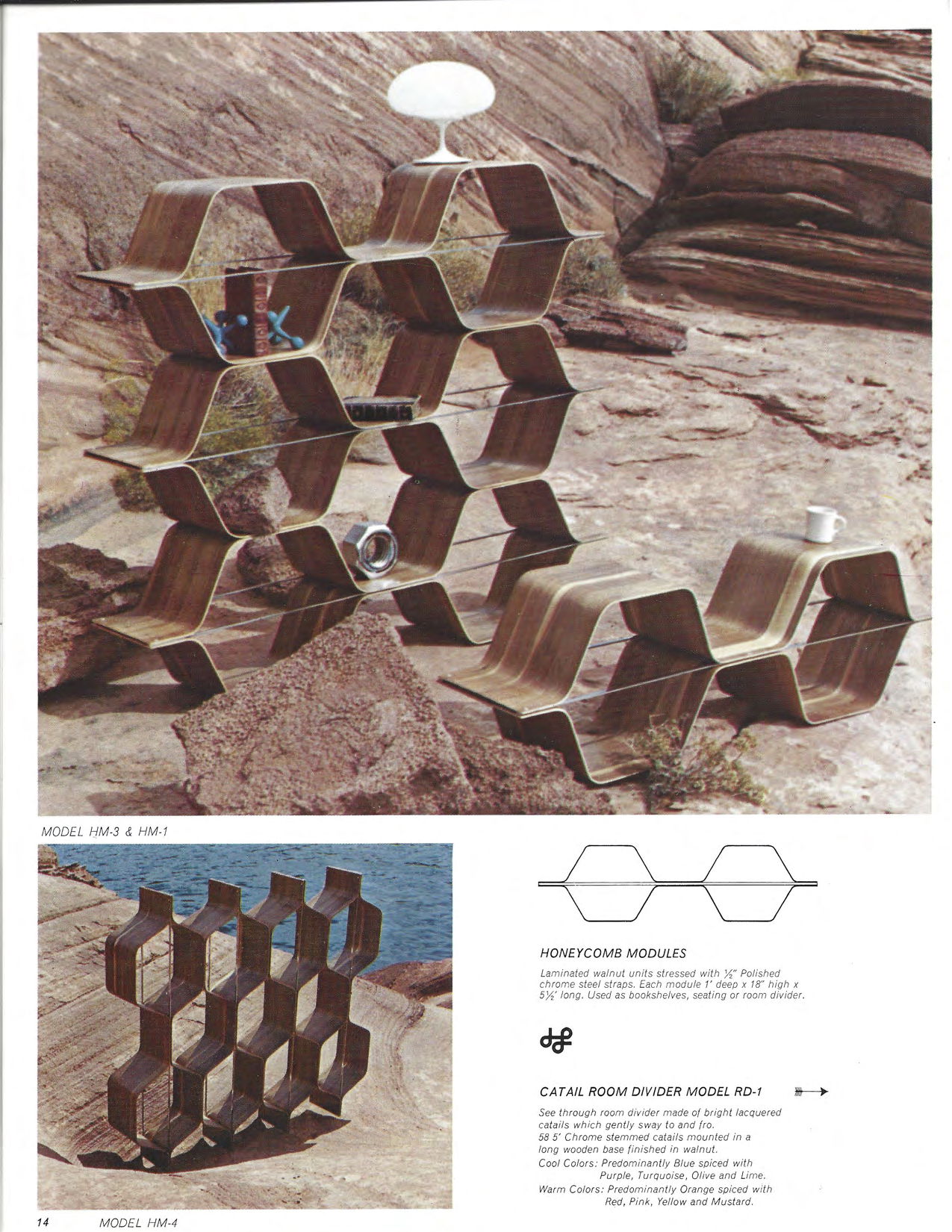

California Dreaming:
Bill Curry's Vision








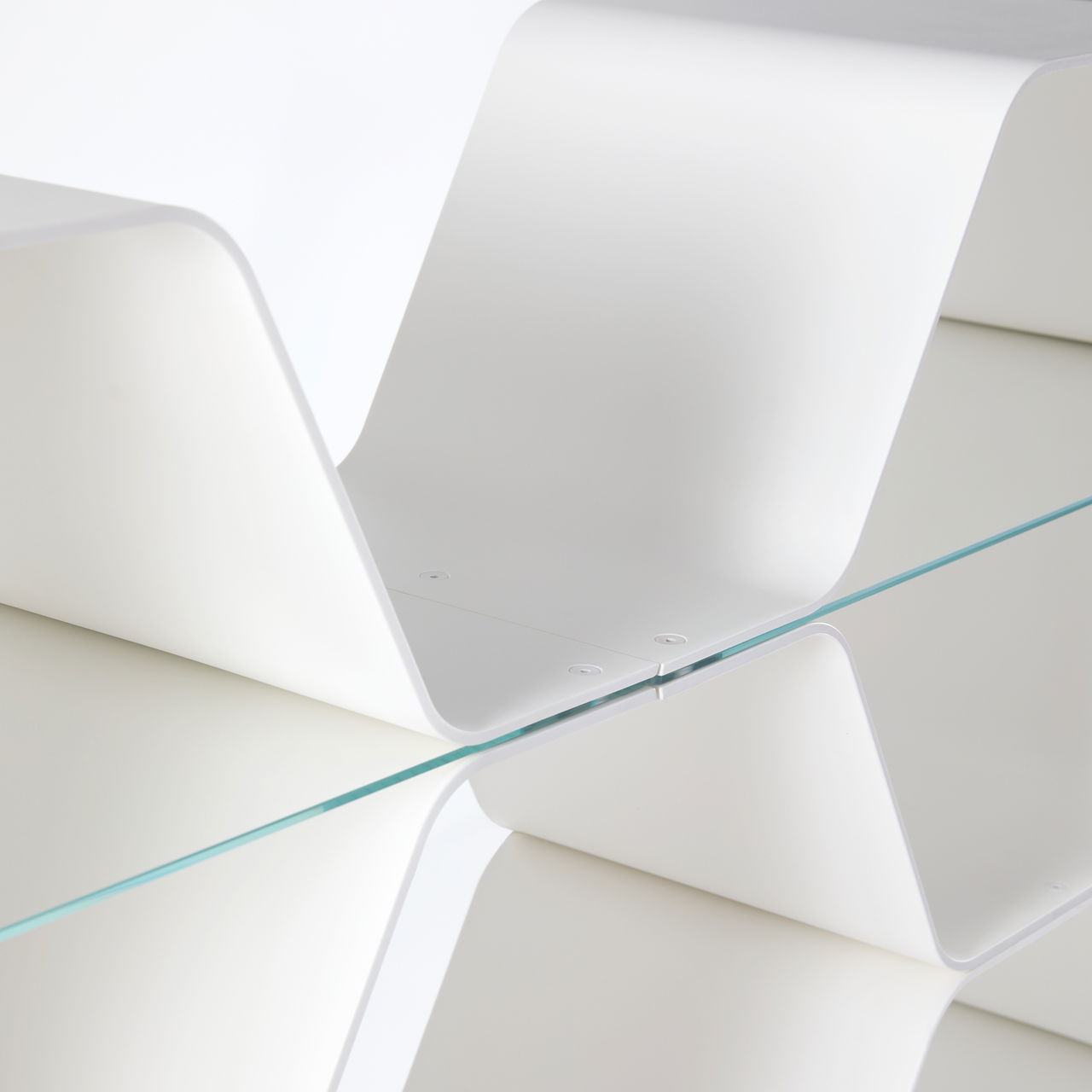
Care & Maintenance
Glass Shelves
Dust with a dry microfiber cloth
Use a glass cleaning solution for a deeper clean
Plastic Cell Frames
Dust with a dry microfiber cloth
Add water to remove light smudges and fingerprints
Mild dish soap and a soft, non-abrasive sponge may be used to gently clean the surface
Avoid harsh chemicals like alcohol, ammonia, or acetone, which can damage the finish